
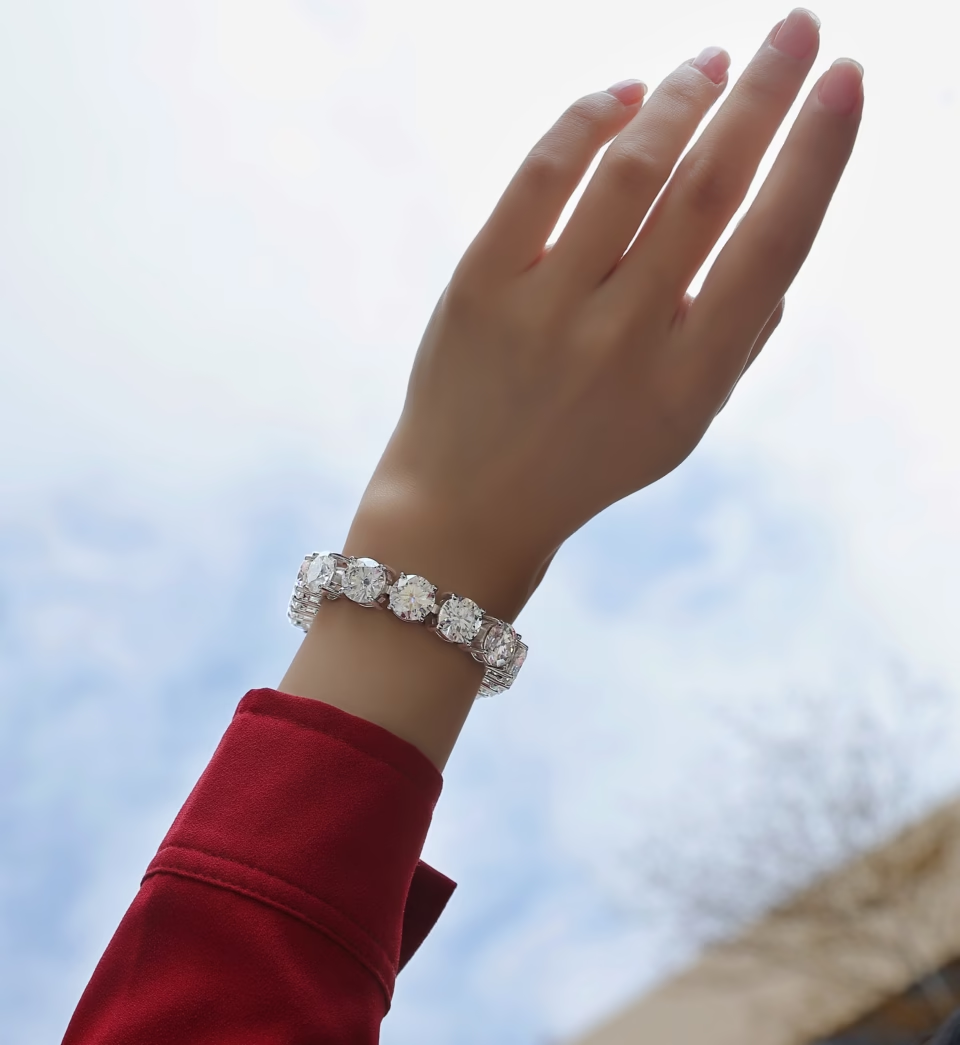
Jewelry and Its Timeless Connection to Confidence
Throughout history, jewelry has transcended its role as mere decoration to emerge as a powerful symbol of status, individuality, and emotional resonance. Cultures around the globe have utilized jewelry to signify wealth, power, and prestige, reinforcing the idea that these adornments do not merely embellish but rather elevate one’s societal standing and self-esteem. In ancient civilizations, for instance, the possession of precious stones and metals often indicated rank and nobility, linking the wearer’s identity closely with their jewelry.
Furthermore, jewelry acts as a medium for self-expression, allowing individuals to articulate their personalities, beliefs, and personal milestones. Whether it is a simple pendant representing love or an elaborate necklace showcasing artistic craftsmanship, jewelry often serves as a reflection of one’s inner self. As such, when people adorn themselves with carefully selected pieces, they often experience a surge of confidence. The psychological impact of wearing unique jewelry can bolster an individual’s sense of self-worth, acting as a form of armor against external criticisms and insecurities.
The emotional significance of jewelry cannot be overstated. It frequently accompanies significant life events, such as engagements, births, or graduations, creating lasting memories and becoming an integral part of personal histories. These pieces carry sentimental value that fosters a strong connection between the jewelry and the wearer, further enhancing its potential to instill confidence. In essence, the relationship between jewelry and self-assuredness is deeply rooted, revealing how these adornments are not merely shallow embellishments but rather pivotal elements in shaping self-identity and enhancing emotional well-being.
The Psychology Behind Wearing Jewelry
The act of wearing jewelry is not merely an aesthetic choice; it significantly influences the wearer’s psychological makeup. Psychological studies indicate that adornments such as rings, necklaces, and earrings can bolster self-esteem and enhance personal expression, leading to a renewed sense of confidence. This impact arises from various factors, including the emotional attachment to pieces, cultural symbolism, and individual style recognition.
Jewelry often serves as a reflection of personal identity. For many individuals, specific pieces may hold sentimental value, perhaps representing milestones or connections to loved ones. Wearing such items can create a sense of comfort and security which, in turn, enhances one’s self-worth. Moreover, jewelry is frequently utilized as a form of self-expression; individuals may choose specific styles that resonate with their personality or lifestyle, thus reinforcing their identity and promoting a positive body image.
The colors, materials, and designs of jewelry can also have a profound effect on mood. For instance, wearing bright or intricate designs might evoke feelings of joy and satisfaction, while minimalist or subdued pieces may inspire calmness. These emotional responses contribute to an overall enhancement of the wearer’s confidence. When individuals feel good about their appearance and the accessories they choose, this positivity often translates into a more assured demeanor in social settings.
From a psychological perspective, the ritual of selecting and wearing jewelry can be empowering. It provides a unique opportunity for individuals to curate their outward presentation and internal composure. As one aligns their jewelry choices with personal values and self-image, they foster a deeper connection with their self-worth, which ultimately reinforces the transformative power of adornment in enhancing confidence.
Types of Jewelry That Boost Confidence
Jewelry has the extraordinary ability to enhance self-assurance by reflecting personal style and values. Various types of jewelry can serve this purpose, promoting a sense of empowerment in both casual and formal settings. Statement pieces are a prime example; these bold accessories, such as oversized earrings or chunky necklaces, immediately draw attention and often serve to initiate conversations. Wearing a striking statement piece can enhance one’s visibility, making the wearer feel bolder and more captivating.
In addition to statement pieces, classic designs, such as pearl necklaces or diamond studs, exude timeless elegance and sophistication. These items are often associated with traditional notions of beauty and refinement, providing a sense of stability and assurance when worn. For example, pairing a classic pearl necklace with an outfit can elevate one’s appearance, making the wearer feel distinguished, whether at a business meeting or a formal event.
Moreover, personalizable jewelry, like engraved bracelets or rings, carries emotional significance that can significantly boost confidence. When individuals wear items that reflect their personal stories, milestones, or affirmations, they feel a deeper connection to the pieces. This connection often reinforces their self-image and enhances feelings of self-worth. For instance, a bracelet engraved with a motivational quote can serve as a daily reminder of one’s inner strength, allowing individuals to face challenges with conviction.
Ultimately, choosing the right type of jewelry can have a profound impact on an individual’s confidence. Whether opting for bold statement pieces, classic designs, or personalizable items, each has its unique way of inspiring assurance and positivity.
Cultural Significance of Jewelry and Its Impact on Self-Confidence
Jewelry holds profound cultural significance across various societies, serving not only as an adornment but also as a crucial aspect of cultural identity. Traditionally, different cultures attribute unique meanings to specific pieces of jewelry, which often symbolize personal status, heritage, or milestones. For instance, in many African cultures, particular styles of jewelry are worn during significant life events, such as marriages and rites of passage, reinforcing an individual’s connection to their community and heritage. This cultural resonance fosters a strong sense of belonging, which can significantly enhance an individual’s self-confidence.
Moreover, in some Asian cultures, such as those in India, jewelry is often intertwined with traditions and family legacy. Gold jewelry, for example, is more than a decorative item; it represents wealth, prosperity, and familial bonds. Wearing traditional jewelry not only honors one’s cultural roots but also conveys a sense of pride and identity. It empowers individuals, particularly women, by allowing them to express their heritage in public spaces, thereby boosting their confidence and self-esteem.
Furthermore, modern interpretations of jewelry reflect evolving cultural dynamics. Contemporary designers often draw inspiration from ancestral designs, merging traditional motifs with modern aesthetics. This fusion allows individuals to embrace their heritage while simultaneously asserting their individuality. Jewelry can thus act as a powerful medium for self-expression, enabling people to project their identity and confidence in diverse settings.
In conclusion, the cultural significance of jewelry is multifaceted, encompassing themes of identity, heritage, and self-expression. Its role in enhancing self-confidence stems from its ability to connect individuals to their cultural backgrounds, empowering them to present themselves in ways that resonate with their personal and communal stories.
Personal Stories: How Jewelry Transformed Confidence
Many individuals have shared their experiences about how specific pieces of jewelry have played a significant role in boosting their confidence. For instance, Sarah, a 28-year-old marketing professional, recalls purchasing a delicate gold necklace that her grandmother once wore. The moment she placed it around her neck, she felt an immediate sense of connection to her family heritage. This sentimental piece not only enhanced her outfit but also instilled in her a sense of pride and confidence whenever she attended professional gatherings. Sarah noted, “Wearing that necklace made me feel more like myself. I carried my family’s strength with me, which gave me the confidence to speak up during meetings.”
Similarly, John, a recent college graduate, decided to invest in a wristwatch as a symbol of his new professional journey. This watch was not merely a timepiece; it represented his commitment to personal growth and responsibility. Whenever he wore it to interviews, John felt a psychological shift in his demeanor. “I didn’t just feel like another candidate; I felt like a professional ready to take on challenges,” he expressed. The watch became his signature accessory, merging style and confidence to project an image he aspired to embody.
Moreover, Lisa, a fitness instructor, shared how wearing bold, colorful earrings transformed her approach to personal style. Initially hesitant about her vibrant choices, she soon realized that when she adorned herself with these pieces, she felt energized and empowered to teach her classes. “Those earrings became my armor; they gave me the boost I needed to inspire my students and fully embrace my role,” she explained.
Each of these testimonials underscores the powerful relationship between jewelry and self-esteem, illustrating how adornments can influence perceptions and emotions in various aspects of life. Jewelry can serve as a catalyst for confidence, enhancing not only one’s appearance but also one’s inner self-assurance.
The Role of Jewelry in Special Occasions
Jewelry serves a significant role during important life events, contributing not only to the aesthetic appeal but also to the emotional resonance of these occasions. During weddings, for instance, the exchange of rings symbolizes the commitment between partners, while bridal jewelry enhances the beauty and grace of the bride. This combination of symbolic and visual significance elevates the sense of confidence for both the individuals involved and their guests. The act of wearing cherished pieces, such as heirloom jewelry or pieces that complete a wedding ensemble, can evoke feelings of pride and connection.
Similarly, graduations often mark a pivotal moment in an individual’s life, symbolizing achievement and a transition into a new phase. The right jewelry can help communicate the importance of this milestone. For many, wearing specific items during graduation ceremonies, such as class rings or personalized necklaces, serves as a reminder of their hard work and dedication, further boosting their self-esteem during the event. The impact of jewelry in these situations is profound, as it encapsulates personal stories and achievements, enhancing the wearer’s confidence substantially.
Jewelry also plays a crucial role in other special occasions such as anniversaries, birthdays, or cultural ceremonies. Each piece worn can carry deep personal meaning, serving as a celebration of memories and accomplishments. This emotional attachment to jewelry enhances the overall experience of these events, creating a feeling of significance and empowerment. The right accessory can transform an outfit, instilling a sense of completeness and allowing individuals to present themselves with confidence and grace. Thus, jewelry is not merely an accessory but a vital element in enhancing the confidence and experience during life’s most important celebrations.
Choosing the Right Jewelry to Enhance Confidence
When selecting jewelry to enhance confidence, it is essential to consider how these pieces resonate with your personal style and individual personality. Firstly, take some time to reflect on the characteristics that best represent you. Are you drawn to bold and statement-making pieces, or do you prefer delicate and understated designs? Understanding your unique style can significantly influence the jewelry you choose and how you feel while wearing it.
Additionally, consider the various occasions for which you may need jewelry. For formal events, elegant pieces, such as diamond studs or pearl necklaces, can instill a sense of sophistication and confidence. If you are aiming for a casual look, playful, colorful pieces, such as beaded bracelets or funky earrings, may be more appropriate. Jewelry that aligns with the context of the occasion can empower you by promoting a feeling of comfort and self-assurance.
Moreover, remember the emotional connection that certain colors and materials can have. For instance, wearing gold may evoke feelings of warmth and luxury, while silver might convey a modern and sleek aesthetic. Emphasizing colors that align with your mood and intent can greatly enhance how confident you feel. Choosing pieces made from materials that resonate with you can create a sense of personal connection, allowing you to embody the confidence you wish to project.
Lastly, do not forget to experiment with layering and mixing different styles. Combining various textures and shapes can create a unique and personalized look that expresses your individuality. Ultimately, the right jewelry should empower you by allowing your authentic self to shine through, reinforcing a confident presence.
The Impact of Jewelry on First Impressions
Jewelry has long been recognized as an essential element of personal adornment, serving not only as an aesthetic enhancement but also as a powerful tool for influencing first impressions in various social and professional contexts. Psychologically, the choice of jewelry can convey messages about an individual’s personality, status, and even competence. Research suggests that the strategic selection of jewelry can significantly sway how others perceive us upon first meeting.
In professional settings, individuals often utilize jewelry to project confidence and authority. For instance, the choice of a classic watch or elegant earrings can signal professionalism and attention to detail. Similarly, the subtle sheen of a well-chosen necklace can add an element of sophistication that enhances the wearer’s overall appearance without overwhelming it. This careful balance can lead to a more favorable interpretation of one’s capabilities and seriousness.
Socially, jewelry is an expression of personal style, taste, and individuality. When meeting new people, the adornments we choose can provoke immediate reactions and facilitate conversations. Unique pieces can serve as conversation starters, inviting inquiries and fostering connections based on shared interests in aesthetics or cultural significance. Moreover, the colors and materials chosen for a jewelry piece can evoke certain emotions and associations, further affecting the impressions formed by others.
The psychological impact of adornments extends beyond mere aesthetics. It influences the wearer as well, enhancing feelings of self-worth and assurance. As one wears jewelry that resonates personally, it can lead to an elevated level of confidence in social interactions. This increased self-assuredness often becomes evident to others, creating a positive feedback loop in the perception of the individual.
Conclusion: Jewelry as a Tool for Empowerment
Jewelry has long transcended its mere aesthetic appeal, becoming a significant element of personal expression and empowerment. Its profound ability to instill confidence in individuals is rooted not only in fashion trends but also in cultural significance and personal stories. By adorning oneself with carefully selected pieces, individuals send powerful messages to themselves and others, fostering a sense of identity and self-worth.
The emotional connection that individuals foster with their jewelry cannot be overlooked. For many, wearing a particular necklace, ring, or bracelet serves as a reminder of cherished memories, personal achievements, or cultural heritage. This mindset transforms jewelry into a potent catalyst that enhances self-esteem, often translating into more confident interactions in both personal and professional spheres. Pieces that resonate on a personal level serve to affirm one’s individuality and unique journey.
Moreover, the empowerment associated with jewelry can manifest in various forms. Whether it is a statement piece designed to attract attention or delicate accessories meant to complement an outfit, jewelry can bolster the wearer’s self-image. It is essential to acknowledge that while trends may influence choices, the true power lies in the personal significance that these items hold for each individual. This significance can inspire a sense of ownership over one’s narrative, allowing for greater self-expression and personal empowerment.
In conclusion, it is evident that jewelry is more than just an accessory; it is a multifaceted tool that enhances confidence and empowers individuals. By embracing their unique styles and the stories behind each piece, individuals can transform their relationships with themselves and the world around them, embodying a new level of confidence and self-assuredness through the art of adornment.